Improve Comfort and Efficiency With Weatherization Services

Common Weatherization Techniques and Signs Weatherization Is Needed

Is the home drafty? Do energy bills seem unusually high? These can be signs that a home could benefit from weatherization. Weatherization involves a variety of techniques designed to seal the building envelope, enhancing energy efficiency and comfort by sealing air leaks and improving insulation. This post will share signs indicating a home needs weatherization services and some common and beneficial weatherization methods.

Signs a Home Needs Weatherization

bills Recognizing the signs that a home needs weatherization is the first step toward a more comfortable and energy-efficient living space. One of the most common indicators is the presence of noticeable drafts, especially near windows and doors, even when they are closed. These drafts are often accompanied by visible gaps or cracks around doors and windows, allowing conditioned air to escape and unconditioned air to enter. Inconsistent indoor temperatures throughout a house, with some rooms cooler while others are too warm, can also point to inadequate insulation or air sealing and the need for weatherization.

Another sign that indicates a home would benefit from weatherization is high energy bills. High utility bills can signal that the heating and air conditioning systems are working harder than necessary to maintain desired indoor temperatures due to air leaks or poor insulation. Additionally, if people notice that dust accumulates rapidly indoors, it can indicate gaps in the building envelope that weatherization can address. Addressing these issues not only improves home comfort but also improves energy efficiency, which can lead to substantial savings on energy costs over time.

Weatherstripping

weatherstrippingWeatherstripping is used to seal openings around movable components of a building, primarily doors and windows. It's typically made from materials like foam, rubber, felt, and vinyl, designed to compress and create a tight seal when a door or window is closed. The primary purpose of weatherstripping is to prevent air leakage, which includes the infiltration of drafts, dust, moisture, and even sound. By creating a barrier between the indoor and outdoor environments, weatherstripping plays a crucial role in maintaining a consistent indoor temperature and protecting the interior from external elements.

The benefits of properly installed weatherstripping are significant. Firstly, it improves a home's energy efficiency by reducing the amount of conditioned air that escapes and unconditioned air that enters. This lessens the workload on heating and cooling systems, leading to lower energy consumption and reduced utility bills. Secondly, weatherstripping enhances indoor comfort by eliminating cold drafts in winter and preventing hot air from entering in summer. Additionally, it helps to keep out dust and allergens, contributing to better indoor air quality, and can even reduce noise pollution from outside, creating a quieter living space.

Improving Insulation

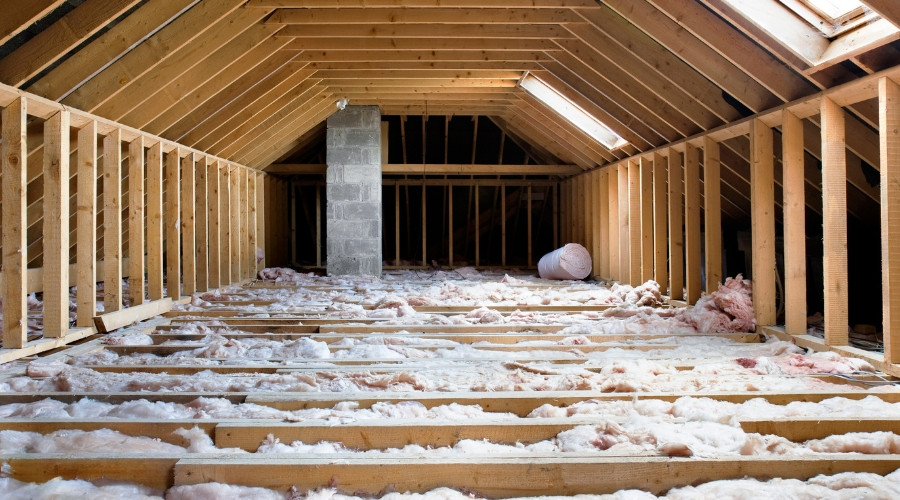
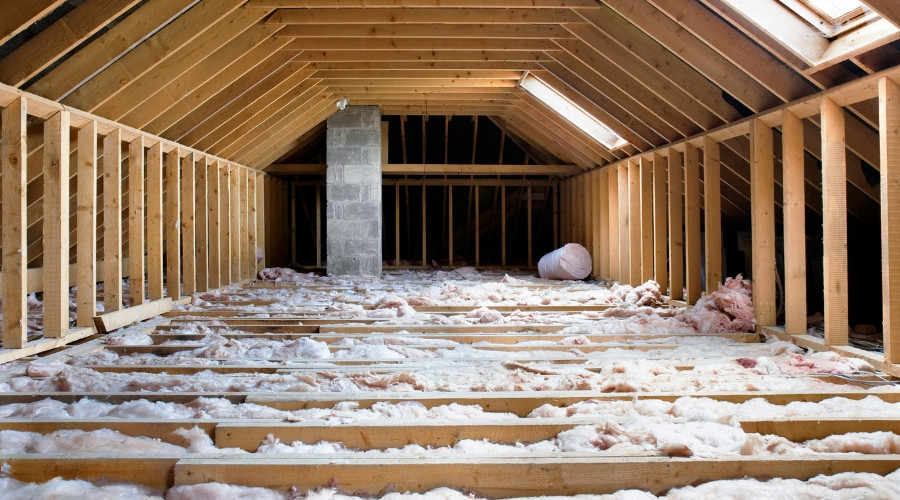
Beyond sealing air leaks around doors and windows with weatherstripping, enhancing a home's insulation is another effective weatherization technique. Adding insulation, particularly in attics and walls, acts as a thermal barrier, significantly slowing the transfer of heat between a home's interior and the outside environment. In colder months, this means the furnace or heating system doesn't have to work as hard to keep the house warm by preventing heat from escaping through poorly insulated surfaces. During warmer periods of the year, good insulation prevents external heat from infiltrating living spaces, reducing the demand on air conditioning. This consistent thermal regulation is crucial for maintaining a comfortable indoor temperature year-round, regardless of the weather outside.

However, the benefits of improved insulation extend far beyond just comfort. By reducing heat transfer, enhanced insulation directly translates to lower energy consumption for heating and cooling, resulting in substantial savings on utility bills. Furthermore, a well-insulated home experiences fewer temperature fluctuations, eliminating cold spots and overly warm areas, which contributes to a more consistent and pleasant indoor climate. It also helps lessen the strain on heating and AC systems, potentially extending their lifespan. Investing in better insulation is a long-term solution that not only makes the home more energy-efficient and comfortable but also increases its value.

About A-Plus Air Conditioning & Home Solutions

A-Plus Air Conditioning & Home Solutions is a family-owned and operated company serving the Austin area since 1977. They offer friendly and fast service, financing, and flat-rate pricing. Call them for weatherization services in Austin, TX.

Improve Comfort and Efficiency With Weatherization Services

Common Weatherization Techniques and Signs Weatherization Is Needed

Is the home drafty? Do energy bills seem unusually high? These can be signs that a home could benefit from weatherization. Weatherization involves a variety of techniques designed to seal the building envelope, enhancing energy efficiency and comfort by sealing air leaks and improving insulation. This post will share signs indicating a home needs weatherization services and some common and beneficial weatherization methods.

Signs a Home Needs Weatherization

bills Recognizing the signs that a home needs weatherization is the first step toward a more comfortable and energy-efficient living space. One of the most common indicators is the presence of noticeable drafts, especially near windows and doors, even when they are closed. These drafts are often accompanied by visible gaps or cracks around doors and windows, allowing conditioned air to escape and unconditioned air to enter. Inconsistent indoor temperatures throughout a house, with some rooms cooler while others are too warm, can also point to inadequate insulation or air sealing and the need for weatherization.

Another sign that indicates a home would benefit from weatherization is high energy bills. High utility bills can signal that the heating and air conditioning systems are working harder than necessary to maintain desired indoor temperatures due to air leaks or poor insulation. Additionally, if people notice that dust accumulates rapidly indoors, it can indicate gaps in the building envelope that weatherization can address. Addressing these issues not only improves home comfort but also improves energy efficiency, which can lead to substantial savings on energy costs over time.

Weatherstripping

weatherstrippingWeatherstripping is used to seal openings around movable components of a building, primarily doors and windows. It's typically made from materials like foam, rubber, felt, and vinyl, designed to compress and create a tight seal when a door or window is closed. The primary purpose of weatherstripping is to prevent air leakage, which includes the infiltration of drafts, dust, moisture, and even sound. By creating a barrier between the indoor and outdoor environments, weatherstripping plays a crucial role in maintaining a consistent indoor temperature and protecting the interior from external elements.

The benefits of properly installed weatherstripping are significant. Firstly, it improves a home's energy efficiency by reducing the amount of conditioned air that escapes and unconditioned air that enters. This lessens the workload on heating and cooling systems, leading to lower energy consumption and reduced utility bills. Secondly, weatherstripping enhances indoor comfort by eliminating cold drafts in winter and preventing hot air from entering in summer. Additionally, it helps to keep out dust and allergens, contributing to better indoor air quality, and can even reduce noise pollution from outside, creating a quieter living space.

Improving Insulation

Beyond sealing air leaks around doors and windows with weatherstripping, enhancing a home's insulation is another effective weatherization technique. Adding insulation, particularly in attics and walls, acts as a thermal barrier, significantly slowing the transfer of heat between a home's interior and the outside environment. In colder months, this means the furnace or heating system doesn't have to work as hard to keep the house warm by preventing heat from escaping through poorly insulated surfaces. During warmer periods of the year, good insulation prevents external heat from infiltrating living spaces, reducing the demand on air conditioning. This consistent thermal regulation is crucial for maintaining a comfortable indoor temperature year-round, regardless of the weather outside.

However, the benefits of improved insulation extend far beyond just comfort. By reducing heat transfer, enhanced insulation directly translates to lower energy consumption for heating and cooling, resulting in substantial savings on utility bills. Furthermore, a well-insulated home experiences fewer temperature fluctuations, eliminating cold spots and overly warm areas, which contributes to a more consistent and pleasant indoor climate. It also helps lessen the strain on heating and AC systems, potentially extending their lifespan. Investing in better insulation is a long-term solution that not only makes the home more energy-efficient and comfortable but also increases its value.

About A-Plus Air Conditioning & Home Solutions

A-Plus Air Conditioning & Home Solutions is a family-owned and operated company serving the Austin area since 1977. They offer friendly and fast service, financing, and flat-rate pricing. Call them for weatherization services in Austin, TX.

Austin Energy's Weatherization Assistance vs. Home Energy Savings Program

Make the Home More Energy-Efficient and Save Money

Most homeowners and renters in Austin seek effective ways to enhance their homes’ energy efficiency while minimizing costs. With two distinct programs offered by Austin Energy, the Weatherization Assistance Program and the Home Energy Savings Program, individuals can save on energy-efficient improvements and energy costs depending on their financial situation and eligibility. This post will help residents understand the differences and advantages of each program so they can make informed decisions regarding energy-efficient improvements. 

Overview of Austin Energy Programs

Austin Energy offers two key programs designed to enhance energy efficiency for its residents: the Weatherization Assistance Program and the Home Energy Savings Program. Both initiatives aim to help Austin homeowners and renters lower energy costs, but they cater to different needs based on eligibility requirements and financial situations.

Austin Energy Weatherization Assistance Program

LED lights The Weatherization Assistance Program serves income-eligible residents by providing free energy efficiency upgrades. The program ensures that lower-income households can make imperative improvements, such as attic insulation and sealing air leaks, which reduce monthly utility bills and enhance overall home comfort.

If residents want to reduce energy costs while enhancing their living environment, the Weatherization Assistance Program offers substantial benefits tailored to income-eligible households. To be eligible, residents must meet specific income requirements and reside in a home that is at least 10 years old, is 2,500 square feet or under, has landlord approval if it is rented, and has an improvement value of $478,195 or less, excluding the land value. 

This program delivers necessary upgrades at no cost, ensuring that lower-income residents have access to energy-efficient improvements, such as: 

  • Attic insulation to maintain indoor temperatures
  • Duct repair or replacement for better air circulation
  • Sealing cracks and gaps to prevent air leaks
  • Solar screens for improved cooling efficiency
  • High-efficiency LED lighting for reduced electricity use

Austin Energy Home Energy Savings Program

air conditionerThe Home Energy Savings Program also offers support for beneficial upgrades, such as installing energy-efficient central air conditioners or adding attic insulation, that lead to improved comfort and significant savings on energy bills. 

To qualify for the Home Energy Savings Program, homeowners must own the residential property, which needs to be at least 10 years old, not a mobile or manufactured home, and homeowners need to use an Austin Energy participating contractor for the upgrades. This program provides financial assistance in the form of rebates and low-interest loans to make energy-efficient upgrades more affordable.

The Home Energy Savings Program offers financial assistance on energy-efficient improvements and upgrades, such as:

  • Upgrading to energy-efficient central air conditioners or heat pumps
  • HVAC tune-ups for better system performance
  • Adding attic insulation to reduce heating and cooling costs
  • Sealing or replacing ducts to optimize airflow
  • Installing solar shading screens or films to block heat

Which Program Is Right for You?

For homeowners and renters in Austin, the choice between the Weatherization Assistance Program and the Home Energy Savings Program depends on individual circumstances. However, both programs are beneficial for reducing energy usage, improving home comfort, and saving money. 

One factor that can determine which program is right for an Austin resident is homeownership status. The Weatherization Assistance Program can be right for eligible homeowners and renters if the renter has landlord approval. On the other hand, to qualify for the Home Energy Savings Program, the person must own the residential property. This includes owners of various types of residential properties, including single-family homes, condos, townhomes, duplexes, triplexes, and fourplexes.

If residents meet the income criteria, the Weatherization Assistance Program provides free energy efficiency upgrades, making it a great way to save money. However, suppose they don’t qualify for the Weatherization Assistance Program but own their home. In that case, the Home Energy Savings Program offers rebates and financing options to make upgrades that improve energy efficiency more affordable.

About A-Plus Air Conditioning & Home Solutions

A-Plus Air Conditioning & Home Solutions has over 45 years of experience serving the Austin community. They provide flat-rate pricing and financing and are partnered with Austin Energy. Call them for heating, air conditioning, and weatherization services in Austin, TX.

The Importance of Weatherization Services to Cut Energy Costs

Empty attic with exposed beams, a barrel, a ladder, and debris, highlighting old space for home maintenance insights.

Save Money While Keeping Your Home Comfortable With Weatherization

Weatherization services are an essential part of maintaining a comfortable and energy-efficient home. By sealing air leaks and improving insulation, weatherization can help homeowners save money on energy bills while also making the home more comfortable. This blog will discuss the importance of weatherization services and how they can benefit a home.

Types of Weatherization Work

weatherstripping servicesThere are many types of weatherization work that can be done for a house to improve its energy efficiency and comfort. Some common types of weatherization work include:

  • Weatherstripping: Weatherstripping seals air leaks around a home's windows, doors, and other openings. Sealing these air leaks can help to prevent warm air from escaping in the winter and cool air from escaping in the summer.
  • Improving insulation: Insulation helps keep the heat in during the winter and the cool air in the summer, improving a home’s energy efficiency. Professionals can inspect a home’s insulation, including attic insulation, and add more if the home is not properly insulated.
  • Energy audits: Energy audits are often the first step for weatherization, allowing professionals to identify areas where a house is losing energy so they can implement weatherization improvements that will improve energy efficiency and lower costs.

Weatherization Assistance

There are rebates and incentives available for energy-efficient home upgrades that make these improvements more affordable, including weatherization. For example, Austin Energy's Weatherization Assistance offers free residential energy upgrades for qualifying low to moderate-income customers.

These home energy improvements can include attic insulation, sealing cracks and gaps with weatherstripping, repairing, replacing, and sealing air ducts, and more. This allows qualifying homeowners to save on these upgrades and receive the long-term benefits of them.

Benefits of Weatherization

home energy savingsHiring a professional to do weatherization work offers numerous benefits. Professionals have the knowledge and experience to properly assess a home's energy efficiency and identify areas where improvements can be made. They can also recommend the most effective weatherization measures for a particular home and ensure they are completed correctly.

One significant benefit of weatherization is energy savings. By sealing air leaks and improving insulation, weatherization can help homeowners save money on their energy bills by improving the home’s energy efficiency. Another benefit is improved comfort. Weatherization can help make a home more comfortable by reducing drafts, regulating temperature, and improving indoor air quality. This can lead to a more enjoyable and healthier living environment.

About A-Plus Air Conditioning & Home Solutions

A-Plus Air Conditioning & Home Solutions has been serving Austin and the surrounding areas since 1977. They provide flat-rate pricing and financing. They are experts in improving energy efficiency, having pioneered the ECAD Energy Program, and are a founding partner of the Austin Energy Home Performance Program. Call them for weatherization services in Austin, TX.