


Check Out These Frequently Asked Questions About Home Heating and Cooling Systems
HVAC (heating, ventilation, and air conditioning) systems are such a central part of virtually every modern home. They consume more energy than any other appliance in the house and generally require more upkeep. They also manage air quality, control humidity, and keep the home comfortable all year round, though, so it’s hard to imagine living without them.
Yet most homeowners don’t know much about these systems that are essential for their homes. So when it comes time to replace that ancient furnace or upgrade to a more efficient AC, or even get a basic tune-up, many people are at a loss. That’s why this article will answer some of the most commonly asked questions about HVAC systems.
What Kinds of Different Central Heating Systems Are There?
The three main types of central heating systems are furnaces, boilers, and heat pumps. Furnaces use natural gas, oil, or electric burners to provide heat, which is pushed through the home’s air duct system to every room in the house. These typically share the same air ducts used by the AC system but are separate, standalone units.
Boilers are akin to furnaces in terms of how they produce heat, but instead of heating air, they heat water. In some cases, the hot water (or steam) is then pumped throughout the home to radiators, baseboard heaters, or some other form of radiant heating system installed in each room.
Heat pumps, like traditional furnaces, heat air and pump it through the home’s ducts - but instead of converting fuel or electricity into heat, they absorb existing heat energy from outside and transfer it indoors. Heat pump systems can use the same process (in reverse) to cool the home, eliminating the need for two separate systems.
What Are Some Options for Ductless Cooling & Heating?
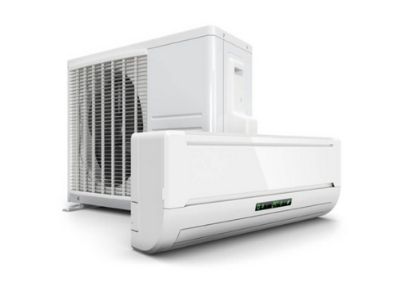 The two main options for ductless heating and cooling systems are window-mounted units and ductless mini-split systems.
 Window-mounted AC/heater units, as the name suggests, are one-piece systems installed in a window frame. These operate on the same principle as heat pumps - transferring heat energy between spaces rather than producing it outright. These are most common in apartments, mobile homes, and other tiny homes.
Ductless mini-splits are miniature versions of traditional heat pump systems, with one unit inside and one outside, connected only by electrical wires and refrigerant piping. The indoor unit blows air directly into a given room in these systems. As such, a home that uses mini-splits will need multiple units installed throughout the house. This translates to a higher up-front cost but much greater efficiency in the long run.
How Often Do Heaters and Air Conditioners Need To Be Serviced?
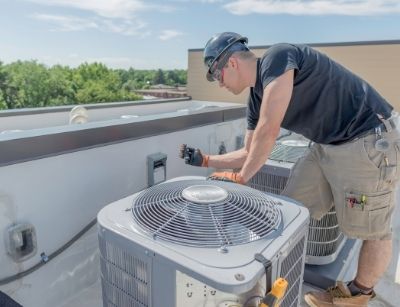 Heater and air conditioner service should ideally be performed twice a year - once in the spring and again in the fall. AC maintenance in the spring will ensure that the system is ready for the heat and humidity of summer. In the fall, heater service will prepare the plan for the cold winter months - this is particularly important in a place like Austin, which can experience both seasonal extremes.
Air conditioner and heater maintenance vary somewhat in the specific tasks performed (except in heat pump systems, which serve both functions), but the general idea is the same. The unit is cleaned, electrical systems are checked for anomalies, safety mechanisms are tested, components are lubricated, and the whole system is given a general tune-up. All in all, no matter what kind of system the home has, bi-annual service visits from a professional are arguably the best thing homeowners can do for their HVAC systems.
About A-Plus Air Conditioning & Home Solutions
A-Plus has been handling Austin’s heating and cooling needs for over 40 years. An award-winning local business offers transparent flat-rate pricing, personalized options, and a rewarding membership maintenance plan. Call A-Plus today for heating and AC repair and maintenance in Austin, TX!
)
)
)
Distribution Links +
- wicz.com
- htv10.tv
- central.newschannelnebraska.com
- metro.newschannelnebraska.com
- southeast.newschannelnebraska.com
- midplains.newschannelnebraska.com
- northeast.newschannelnebraska.com
- plattevalley.newschannelnebraska.com
- panhandle.newschannelnebraska.com
- rivercountry.newschannelnebraska.com
- lifestyle.mykmlk.com
- lifestyle.3wzfm.com
- lifestyle.southernsportstoday.com
- lifestyle.thepodcastpark.com
- lifestyle.680thefan.com
- lifestyle.xtra1063.com
- lifestyle.953hlf.com
- lifestyle.rewind1019.com
- lifestyle.us983.com
- lifestyle.countrylegends1059.com
- lifestyle.967wshv.com
- lifestyle.1045thedan.com



)
)
)

